
Whitetail
#
The best recipes with Whitetail deer
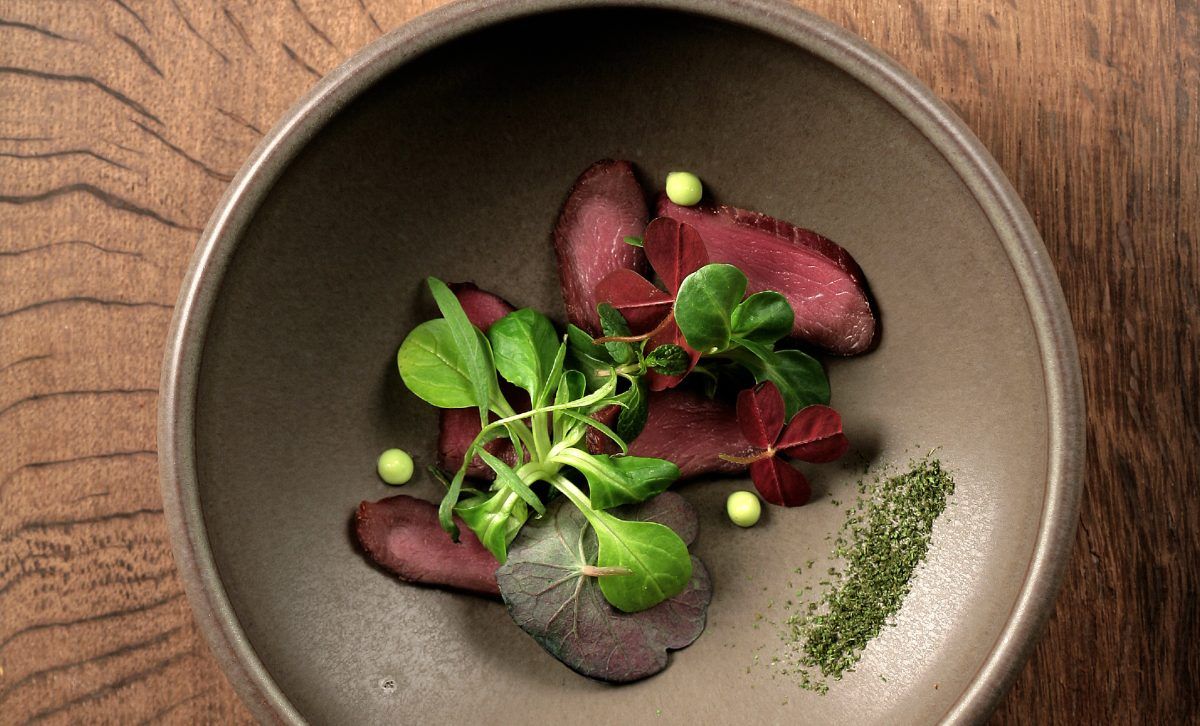
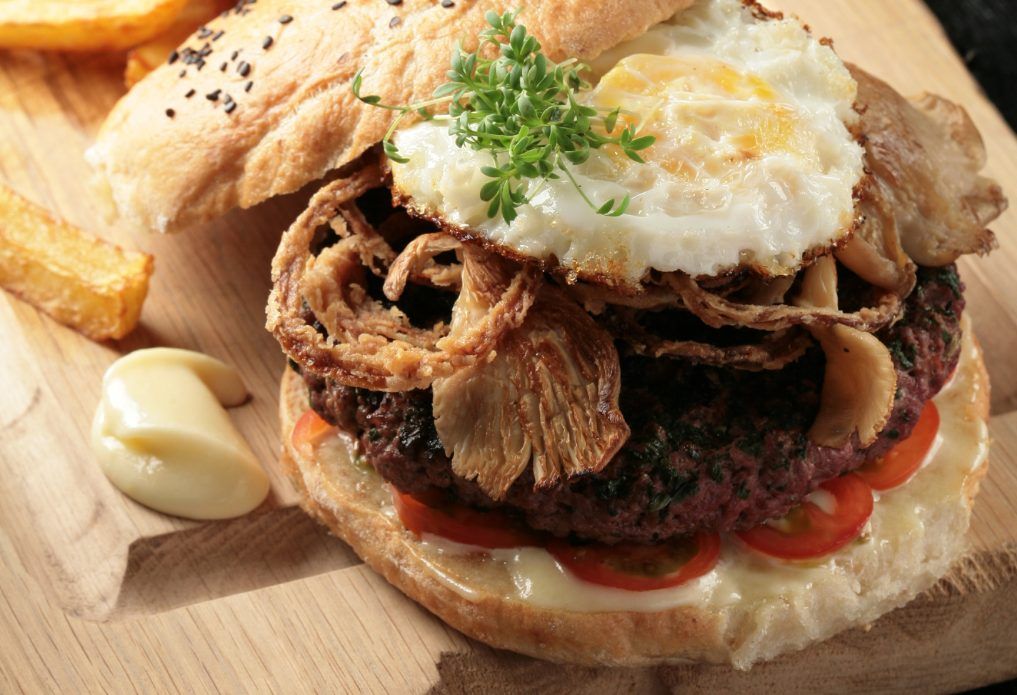
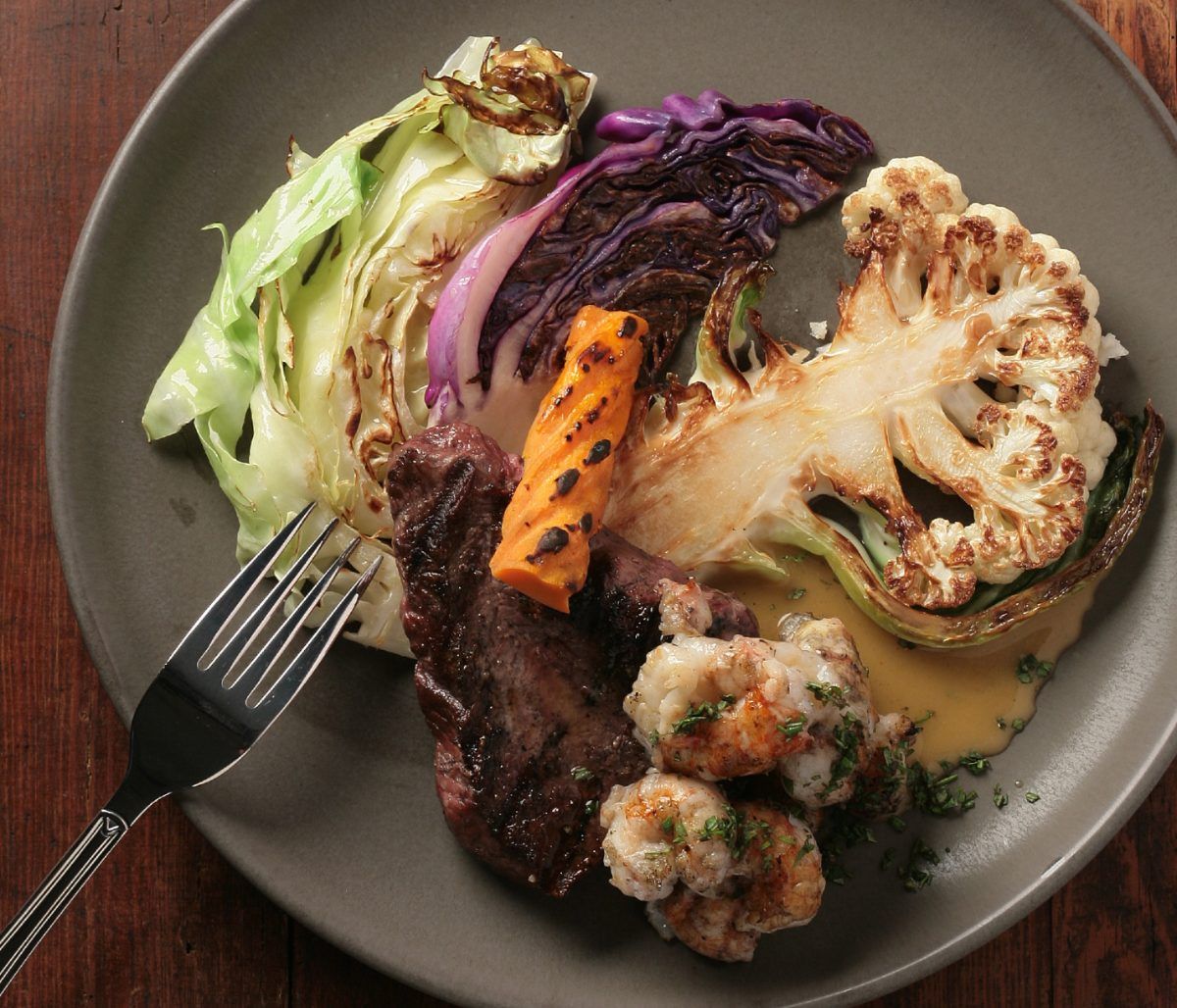
SHARE YOUR WILD SIDE
We want to see what wild means to you. Every month, thousands of wild game lovers and hunting enthusiasts visit our site to share and explore.
Whether it's the moment after the shot or the magic in the kitchen — your photos, field stories, and wild recipes can inspire others.
Send us your best content and join a respectful, food-loving community that knows the hunt doesn’t end in the forest — it ends around the table.
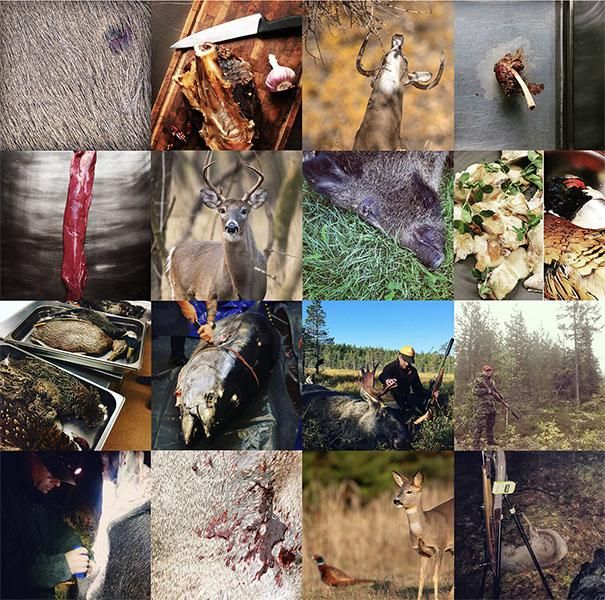
How to Handle a Whitetail Deer After the Shot — A Practical Guide for Hunters
Field dressing and processing a whitetail isn’t complicated, but doing it right can make the difference between average venison and a freezer full of exceptional meat. Whether you’re hunting deep in the Midwest hardwoods or somewhere out West, the same principles apply: respect the animal, work clean, and understand how each cut should be handled in the kitchen.
Below is a straightforward guide for turning a harvested whitetail into tender, flavorful meals your family will actually ask for again.
The Goal: Tender, Clean, High-Quality Venison
Once a deer hits the ground, the clock starts. Muscles tighten as the body cools, and tenderness develops later as rigor fades. Hang your deer in a cool place—ideally with air circulation—and give it time. Some hunters like a mild, clean flavor and butcher early; others prefer a deeper, more “wild” character and hang it longer. There’s no universal rule here. Temperature, humidity, and personal taste all play a role.
Understanding Tough vs. Tender Cuts
A whitetail uses some muscles constantly and others hardly at all. Once you understand that, cooking becomes much easier:
-
Neck & Shoulders
These muscles work nonstop. They’re full of connective tissue, which turns tough unless cooked low and slow. Think pot roast, stew meat, shredded venison, or grinding. Long braises melt everything into rich, silky meat. -
Backstraps & Tenderloins
These are the softest muscles on the animal. They cook fast—pan-seared, grilled, smoked, whatever you prefer. Overcook them and you lose the magic. -
Hindquarters
Break the ham down into individual muscle groups: top round, bottom round, sirloin tip, and shank.-
The larger muscles make excellent steaks, jerky, schnitzel, or roasts.
-
The shank is packed with connective tissue—perfect for osso buco or slow-cooked dishes.
-
-
Ribs & Brisket-Area Meat
Lean, flavorful, but covered in membranes. Great for grinding, slow cooking, or trimming for stock. -
Heart, Liver, and Tongue
Wild game offal is underrated in the U.S. Heart is fantastic grilled or cubed for chili. Liver should be cooked fast and hot. Tongue is small but delicious after a long simmer.
Field Dressing:
Staying Clean in the Woods
You’re the inspector in the field. Before you ever open the body cavity, take a second to look at the deer. Was it acting sick? Too thin? Strange behavior? Once you open the chest and abdomen, check the organs—especially the lungs—for abnormalities, discoloration, or lesions.
A clean field dressing job goes like this:
-
Open the abdomen without puncturing the stomach or intestines.
-
Free the diaphragm and reach up into the chest cavity.
-
Grab the windpipe, cut high, and pull everything out in one go.
-
Keep the heart and liver off the ground and get them in a clean bag if you plan to use them.
Carry disposable gloves, wipes, and a trash bag. It makes everything faster and cleaner.
Cooling and Hanging Your Deer
Heat ruins meat faster than anything. In warm states—early Kentucky bow season, Texas, Florida—you may need to quarter the deer immediately and get it on ice. In colder climates you can hang the deer whole, hide on or off depending on preference.
Trim away anything heavily bloodshot around the exit wound. That meat will never taste right.
Freezing and Long-Term Storage
Label every package with the cut and the date. Vacuum sealing keeps venison fresh for several months longer than standard freezer bags. Push out as much air as you can if you’re not sealing.
Good packaging prevents freezer burn and saves you from guessing games six months later.
Becoming a Better Venison Cook
Once you understand the structure of a whitetail—what’s tough, what’s tender, what needs time, and what needs heat—you’ll start cooking venison with confidence. Each part of the deer has its own potential, and when treated right, whitetail is one of the cleanest, most flavorful meats you can put on a plate.